
 CLOSE
CLOSE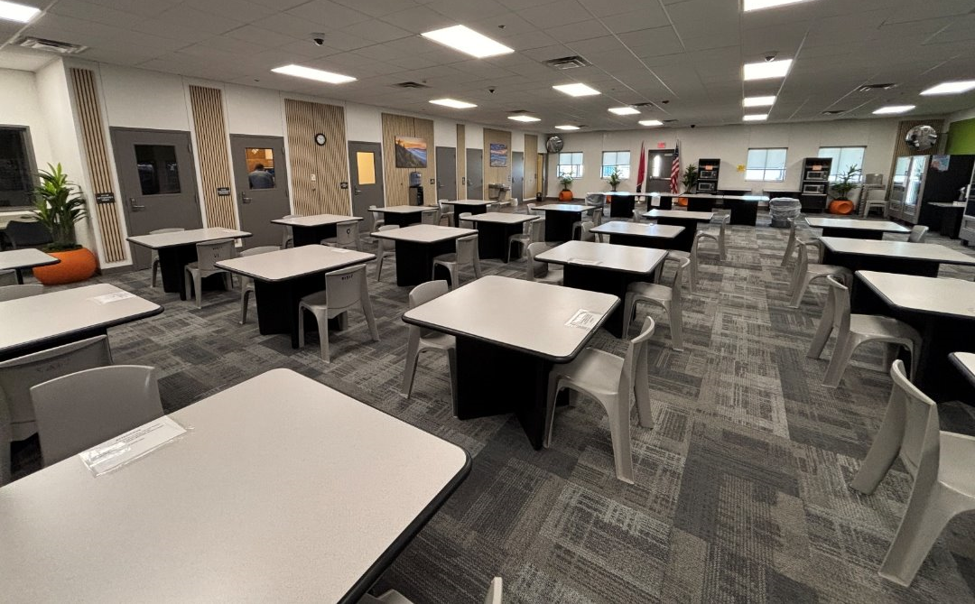
Preparing to visit a loved one in a correctional facility begins long before the family sits down together. The process of entering an unfamiliar building and navigating security can lead to anxiety, especially for those with children.
Recognizing this, CoreCivic is actively upgrading visitation spaces at facilities across the country to create a warmer, more welcoming environment that supports family engagement and connection. These changes are part of CoreCivic's Project Vista initiative to create environments and daily routines within facilities that mirror the community and free world as much as possible.
Project Vista has four guiding principles: normalization, trauma-informed design, biophilia, and carceral geography.
When it comes to normalization in visitation spaces - it all begins with one simple question: What do families do when they spend time together?
They talk. Children play. Parents read with them. They work on puzzles, color, play games or simply sit together.
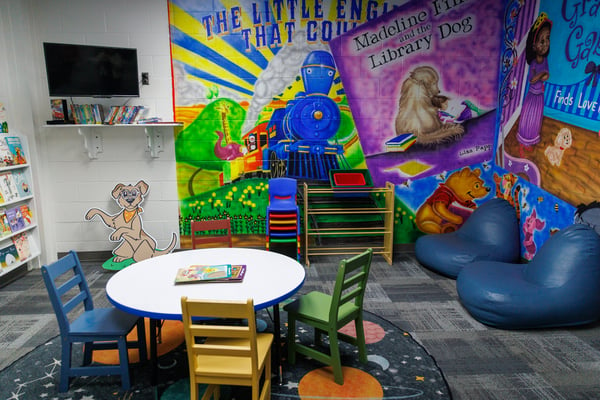
Project Vista creates opportunities for those everyday interactions within a correctional environment. This includes "Cooper's Corner", trauma-informed spaces designated for parent and child interaction, named for Project Vista's friendly dog mascot Cooper. These spaces have games, art supplies, movies, and areas for families to read together. At facilities with outdoor visitation, families may share moments that feel even closer to life outside: a parent pushing a child on a swing or tossing a ball back and forth.
Activities like these also help bridge the distance created by time apart. Andrew Dye, senior director of real estate development at CoreCivic, recalled hearing from residents who struggled with a basic question after months away from their children: What do we talk about?
An activity book, puzzle, game, or tablet gives parents and children a place to begin, and trauma-informed design considers how the environment feels.
“The environment can either amplify stress or reduce it,” Dye said.
Warmer colors, improved lighting, acoustic treatments, and thoughtful seating choices can reduce unnecessary environmental stress while creating greater physical and psychological comfort.
Biophilia brings the outside world into visitation.
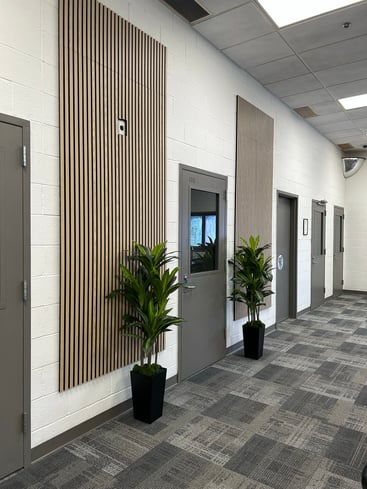
Plants, natural elements, and imagery can soften spaces dominated by hard surfaces and institutional materials. Natural patterns and materials like cork and wood grain help warm the space and strengthen the connection to nature. Regional artwork can reconnect a facility to its surrounding landscape and community. Where outdoor visitation is possible, families gain another welcoming place to spend time together.
Carceral geography considers the entire visitation journey, from entry to exit.
For a child, visitation does not begin at the visitation room door. Project Vista considers what families encounter as they move through a facility. Cooper helps children navigate that journey, appearing at their eye level when surroundings may feel unfamiliar. Searching for Cooper turns the journey into a game, with a friendly face waiting around the corner.
The results are reflected in families’ experiences. A resident at Lake Erie Correctional Institution in Conneaut, Ohio, who experienced visitation before and after the changes described how his 11-year-old daughter once arrived intimidated and anxious and became restless during their two-hour visits. Now, she looks forward to visiting and playing on the tablet with him. With limited ways to build a relationship with his daughter in his current situation, these changes give them something meaningful to do together. His parents, who have visited for a decade, have also noticed that the room feels more comfortable and less institutional.
A positive visit can travel beyond the visitation room. Dye has heard from staff that residents return to their housing units calmer after good visits, influencing positive interactions with staff and others.
Four design principles in service to one very human purpose: allowing the environment to fade into the background so families can focus on connection with one another.


