
 CLOSE
CLOSE
U.S. military veterans often find connection and solace through shared experiences with other veterans, but this can be a challenge for incarcerated veterans. At CoreCivic's Red Rock Correctional Center in Eloy, Arizona, incarcerated veterans have the opportunity to participate in a mentorship program developed by Arthur and Jessi Rizer of the ARrow Center for Justice Reform. The program pairs incarcerated veterans with free-world veterans so they can be connected to resources, community support and have someone to talk to.
Chris Miller, a U.S. Army veteran, helped launch the program and now serves as a mentor and mentor recruiter. Mentorship sessions are held virtually and range from 10 minutes to an hour, depending on the mentee's needs. Each session is tailored to support the veteran in the moment, whether that involves learning about access to health benefits or discussing military history or books they've read recently. Miller says most incarcerated veterans are interested in creating connections and sharing experiences with fellow veterans.
"One of the major hopes for the program is when these guys transition into civilian life, we want to help them be the best version of themselves," Miller said. "So, we consider what we can do to help them achieve that and provide resources to support them."
Through the program, incarcerated veterans preparing for reentry can receive help and advice from veterans in the community. This includes guidance on writing a resume, connecting with veteran organizations and learning how to secure housing upon release. For those veterans who are not reentering civilian life soon, the program provides connection to the outside world.
"This gives them the opportunity to serve their time with dignity and honor; they can be treated respectfully," Miller shared. "One of the biggest fears of people who served is being forgotten, so even just making sure these guys know people are thinking of them, care about them and appreciate their service to our country."
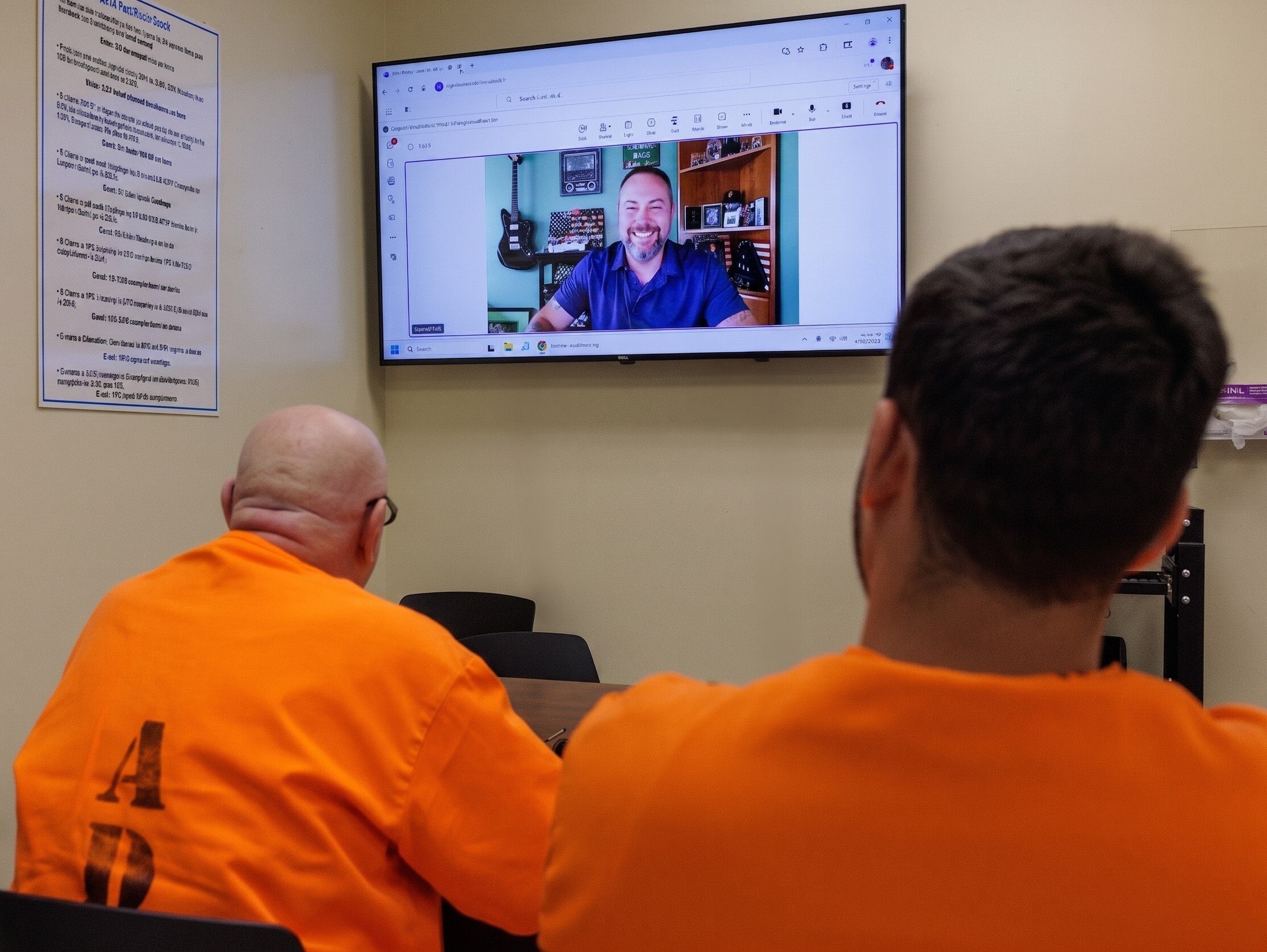
"For me, it's a great way to learn about outside resources that we don't have access to any other way," one program participant said. "The mentoring program is not like any other that you would normally see in a prison. It's not a counseling service; it's a one-on-one, man-to-man conversation that's just like sitting around in the living room or at the table talking to a friend. But they also have information and resources to help you with issues you might be dealing with."
Participants say the program has shown them that people care and want to see them succeed in turning their lives around.
“We’re not treated like outcasts,” another participant said. “We’re treated like adults, treated like people. We would recommend this program to other veterans 110%. It really helps; it makes a difference.”
In the United States, incarcerated veterans account for about 8% of all state and federal inmates in custody. CoreCivic offers several veteran-focused initiatives at facilities nationwide, including the veteran mentor program. Other initiatives include veteran-only housing units staffed by veterans, recovery programs, and one facility in Tennessee has even launched the first American Legion Post for incarcerated veterans in the state.


