
 CLOSE
CLOSE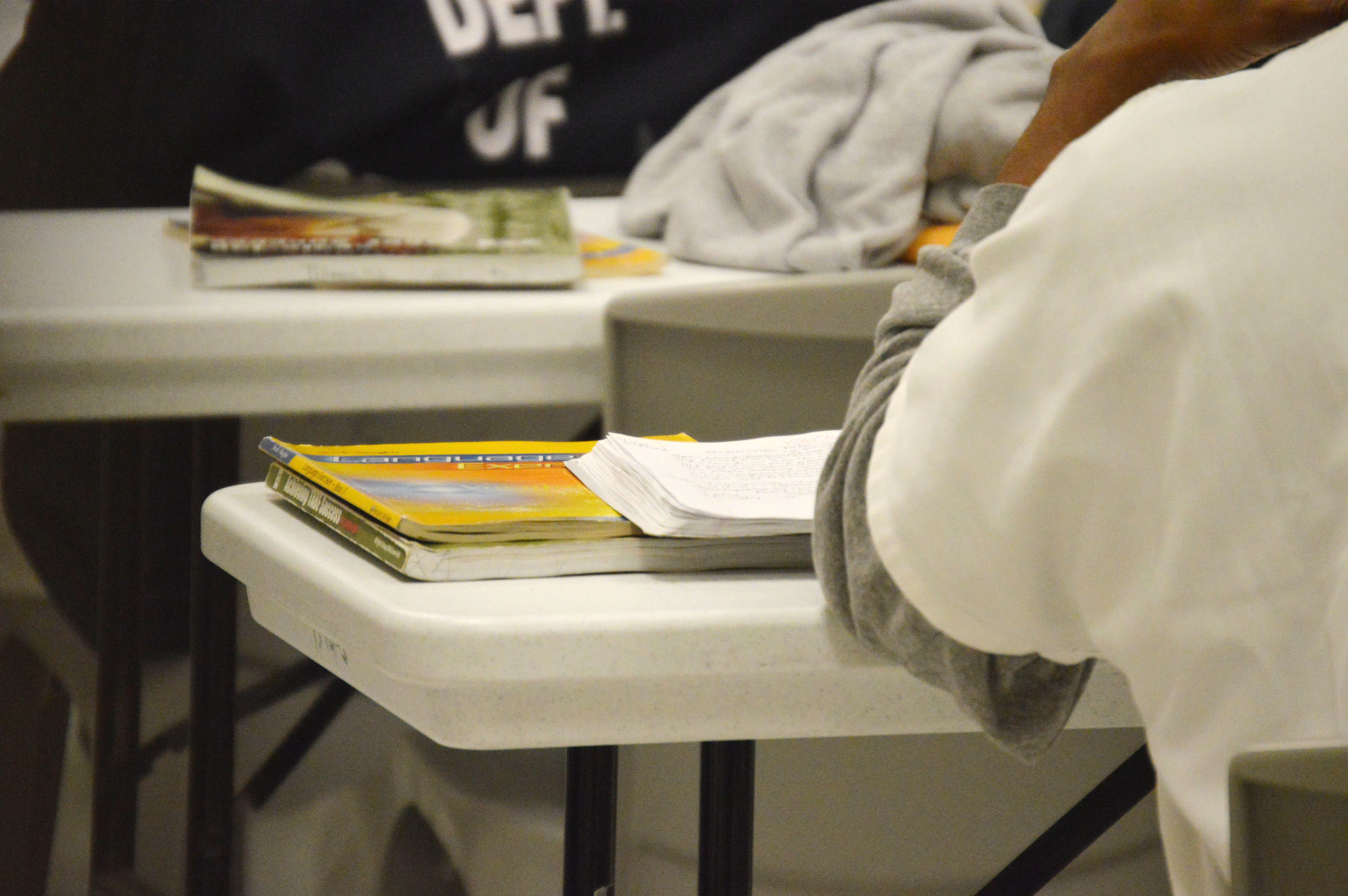
CoreCivic is dedicated to providing evidence-based educational and rehabilitative programs that help those in our care prepare for reentry from day one. This includes access to GED and college courses, vocational programs, mental health support and more.
Most justice-involved individuals will return to their communities after incarceration, and CoreCivic reentry professionals work to ensure each individual can use their time with us as effectively and productively as possible.
A study published by the RAND Corp. found that, on average, individuals who participate in education programs while incarcerated have 43% lower odds of returning to prison. Additionally, the study found every dollar spent on resident education reduced incarceration costs in the first three years after release.
“Our goal is to help incarcerated individuals build their own version of a good life — a flourishing life that is meaningful and sustainable for them,” said Matt Moore, senior director of reentry services at CoreCivic. “Because that looks different for every person, our approach to correctional education must be individualized, responsive and rooted in each person’s goals and potential.”
Beginning on day one, individuals are assessed to determine the best tools, resources and programs needed to support successful reentry. Based on the results, a multidisciplinary team designs an individual program plan to address each person’s needs throughout their incarceration.
CoreCivic provides a robust platform of program options to meet the varying needs of residents wherever they are in their journey. Our goal is to strengthen their educational foundation, provide vocational training and skills development, create good work habits for employability, and prepare returning citizens for release.
“We have embraced opportunities to enrich the experience for our students,” said Michelle Cotter, director of educational services at CoreCivic. “Examples include hybrid learning, virtual learning, virtual reality, online self-paced courses and coding classes in addition to in-person instruction and hands-on learning.”
The results have been encouraging. Between 2021 and 2025, CoreCivic had more than 3,300 individuals in our care earn a high school equivalency diploma and helped individuals collectively earn nearly 18,000 industry-recognized certifications in career areas such as carpentry, masonry, computer coding and more. In addition, between 2017 and 2026, 234 college degrees were conferred to CoreCivic residents.
“We pride ourselves on doing our best to meet the interests of the students in our care,” Cotter said. “We conduct a survey every year gathering the interests of those in our care, and we do our best to provide different career and technical education courses to meet those interests. Our goal is to expand the traditional career and technical education choices in facilities and help students acquire skills for an ever-changing workforce.”
When individual needs are met, returning citizens experience a smoother transition back to the community and are less likely to recidivate. By providing the proper tools for success from day one, CoreCivic is paving the way to a brighter future for those in our care.


