
 CLOSE
CLOSE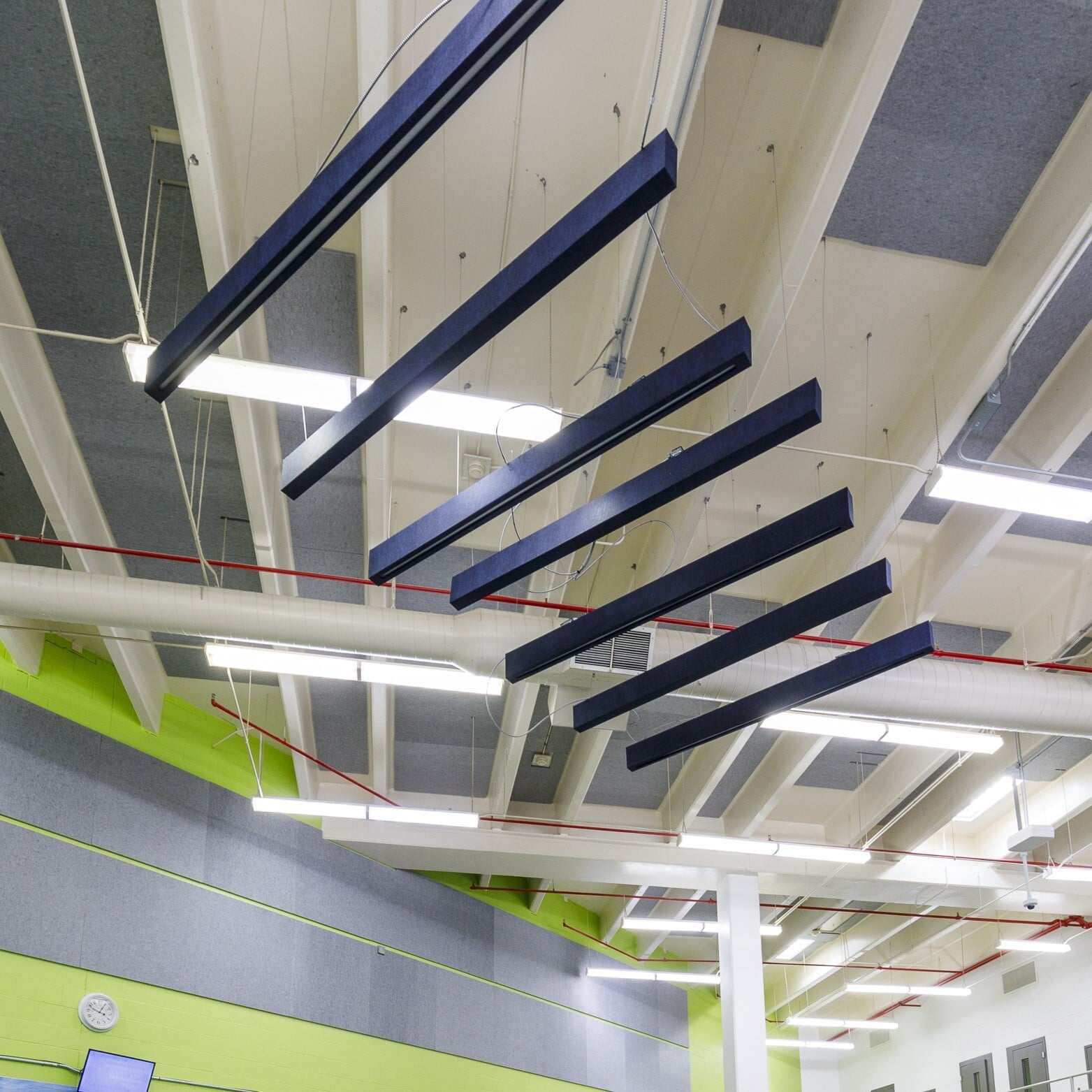
If you have ever tried to hold a conversation in a loud restaurant, you understand the effect of competing noise. As you raise your voice to be heard by your table, others do the same, and the environment becomes more chaotic, stressful, and mentally difficult to navigate. That same dynamic is a challenge in a secure correctional facility, where concrete surfaces, metal fixtures, and constant activity amplify sound throughout the day.
CoreCivic’s Project Vista is grounded in evidence-based design and normalization principles, prioritizing the creation of spaces that support safety, dignity, and better outcomes. Experience across facilities has shown that reducing adverse noise conditions is one of the most impactful and accessible ways to improve daily environments for residents and staff alike. The strategy encompasses a wide range of design elements, and reports from across facilities have shown that noise reduction consistently delivers one of the highest returns on investment.
“Noise is almost always one of the most impactful factors we address,” said Andrew Dye, senior director of real estate development at CoreCivic. “When you reduce competing noise in these environments, you create a calmer space almost immediately.”
In correctional facilities, sound behaves differently. Materials chosen for safety and durability, concrete, metal, and open layouts, amplify noise throughout the space. Conversations, movement, and daily operations build on one another, creating an environment of constant stimulation. The result is increased stress, strained communication, and elevated tension for both residents and staff. While these conditions are inherent to the setting, their impact does not have to be.
Project Vista addresses this challenge through practical, scalable interventions. Solutions include installing acoustic wall panels, incorporating sound-absorbing ceiling treatments, introducing softer flooring options, such as carpet, where appropriate, and using furnishings and plants to help break up sound reverberation. As each solution plays a role, its combined effect can significantly reduce overall noise levels.
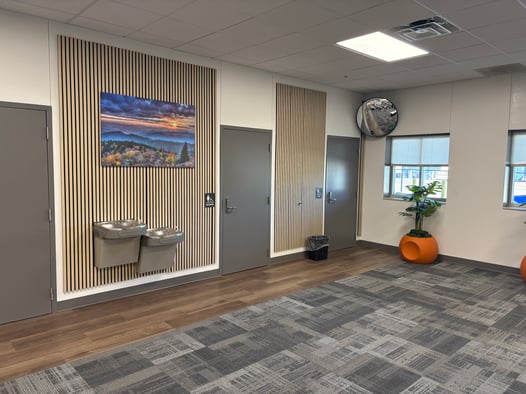
Independent post-installation testing at CoreCivic's La Palma Correctional Center in Eloy, Arizona, found that reverberation times in treated dayrooms were reduced by approximately half, with larger rotunda spaces seeing reductions of up to 65 percent. The difference is immediately noticeable. Moving from an untreated space into a sound-treated area creates a quieter, calmer environment that feels less stressful and easier to navigate.
The impact of these changes extends beyond auditory perception. Residents report improved ability to think clearly, focus, and relax. Staff also experience a more manageable work environment, with reduced stress and improved day-to-day interactions. Facilities have observed secondary benefits within their housing units, including fewer incidents, reduced vandalism, and greater pride taken in maintaining upgraded spaces.
These improvements do not require large-scale renovations to begin making a difference.
“One of the biggest advantages is how scalable these solutions are,” Dye said. “Facilities can start small. Even incremental changes, whether it’s adding panels to a single area or updating one housing unit, can have a significant and meaningful impact.”
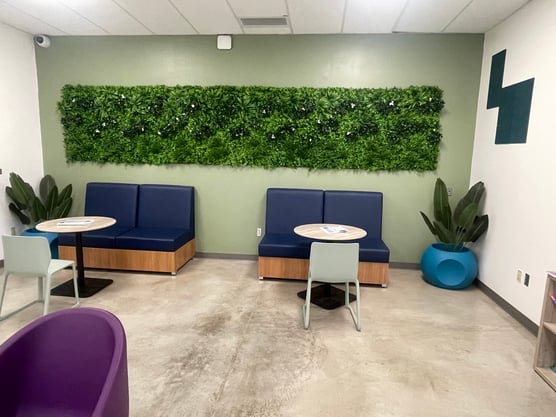
Many of the materials used are cost-effective and widely available, making noise reduction an achievable starting point for facilities at any stage of implementation. This approach aligns with Project Vista’s broader goal to embed practical, repeatable improvements into everyday operations.
As Project Vista's impact continues to expand across CoreCivic facilities, noise reduction remains a clear example of how targeted, evidence-based changes can improve both environment and outcomes. By addressing one of the most consistent stressors in correctional settings, CoreCivic facilities are creating spaces that better support rehabilitation, staff performance, and retention, and overall operational success.


